Conveyor systems are an important equipment in industries such as power plants, mining, cement, and manufacturing. They are used to transport bulk materials like coal, ash, limestone, and finished products efficiently.
AVR Energies team ensures proper operation, regular servicing, and timely maintenance to improve safety, performance, and conveyor lifespan.
Conveyor System Operations
Our operations support covers complete start-up, shutdown, and load handling procedures to keep your conveyors running smoothly and safely.
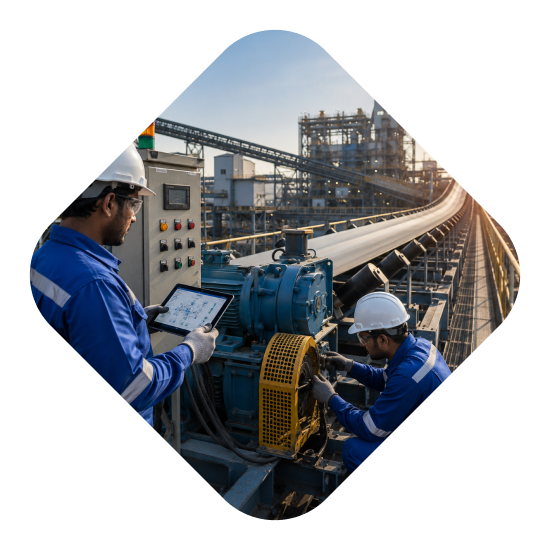
Start-up
- We verify that all safety guards and emergency stop switches are correctly installed and fully functional before every start-up.
- We check whether the conveyor belt is free from any material, tools, or blockage.
- Our Technicians start the conveyor in the correct sequence, from the discharge end to the feed end to prevent any material piling.
- Our operators monitor the belt movement carefully and listen for any unusual sounds during operations.
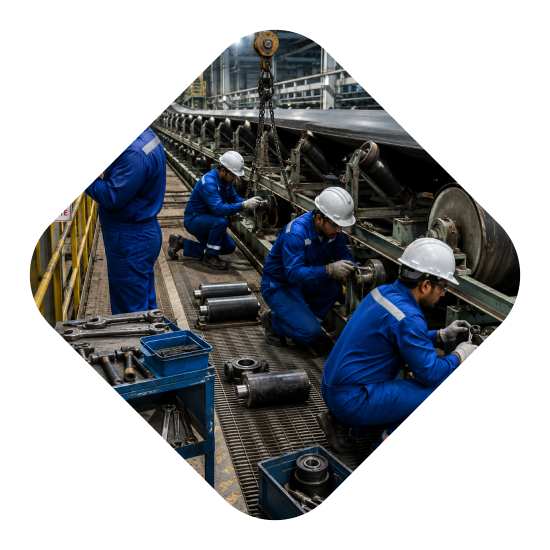
Shutdown
- We stop the material supply before turning off the conveyor system and allow the belt to run empty so no material remains on it.
- We shut down the system in reverse order, starting from the feed end towards the discharge end.
- Power is switched off and strict lockout/tagout procedures are applied before any maintenance work begins.
Efficient Load Handling for Optimization of Energy Costs
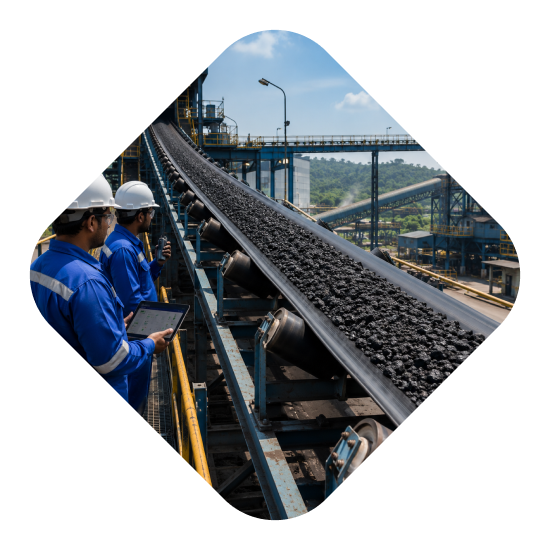
- Efficient handling of materials plays a key role in improving conveyor performance and lowering energy usage.
- Maintaining proper loading on the belt to prevent spillage and avoid overloading conditions.
- Ensuring that the material is evenly spread across the belt for stable operation.
- Selecting the appropriate belt speed based on the type of material and required capacity.
- Minimizing unnecessary idle running to reduce energy consumption.
- Regularly inspecting idlers and rollers to ensure they rotate smoothly without resistance.
Swipe or use arrows to browse services
Pipe Conveyor Maintenance
A pipe conveyor is a belt conveyor with a closed pipe-shaped belt that transports materials dust-free, commonly used in power plants, cement, and mining industries. Our maintenance covers
- Belt alignment inspection
- Pipe shape & formation checks
- Idler & roller inspection (hexagonal or circular patterns)
- Spillage and dust control maintenance
- Belt twist & tracking correction
Chain Conveyor Maintenance
A chain conveyor uses one or more chains to move materials along a fixed path, commonly used for heavy-duty material handling in industries like manufacturing and mining. We maintain heavy-duty chain conveyors
- Lubrication of chain links, pins, and bushings
- Alignment for smooth chain movement
- Chain Wear & Tear Monitoring
- Repair and Replacement of Chains
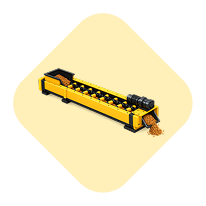
Drag Chain Conveyor Maintenance
A drag chain conveyor uses chains with attached flights to drag bulk materials through an enclosed trough in a controlled and continuous flow. We ensure controlled, continuous material flow through
- Flight (flat or blade shaped plate for dragging material) & Chain Inspection
- Troubleshooting Drag System Failures
- Maintain proper lubrication
- Ensure correct loading and alignment
- Clean system regularly to avoid blockage
- Replace damaged components immediately
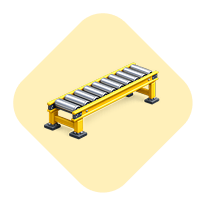
Roller Conveyor Maintenance
A roller conveyor uses a series of rollers to move goods manually, by gravity, or powered drive, ideal for unit handling in warehouses and assembly lines. We keep your unit handling on track
- Roller Alignment & Replacement
- Bearing & Frame Inspection
- Inspection of frame for cracks, corrosion, or alignment issues.
- Tightening all bolts and structural connections to maintain stability.
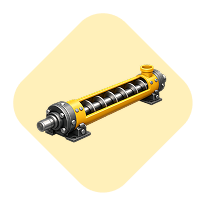
Screw Conveyor Maintenance
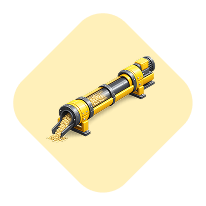
A screw conveyor uses a rotating helical screw blade to move bulk materials through a tube or trough, widely used for powders, grains, and semi-solid materials. Our team maintains screw conveyors that handle powders, grains, and semi-solid materials by
- Inspecting Screw & Shaft
- Flight wear and clog cleaning
- Bearing lubrication
- Avoiding material overload to ensure uniform feeding
- Replacing worn out parts on time
Drag Flight Conveyor Maintenance
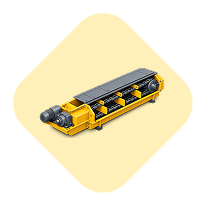
Drag flight conveyors move bulk material using fixed flights attached to a chain or cable inside an enclosed trough. We maintain drag flight systems for reliable, continuous material transport.
- Flight & Chain Inspection
- Troubleshooting Drag System Failures
- Maintain proper lubrication
- Ensure correct loading and alignment
- Clean system regularly to avoid blockage
- Replace damaged components immediately
Conveyor Gearbox Maintenance
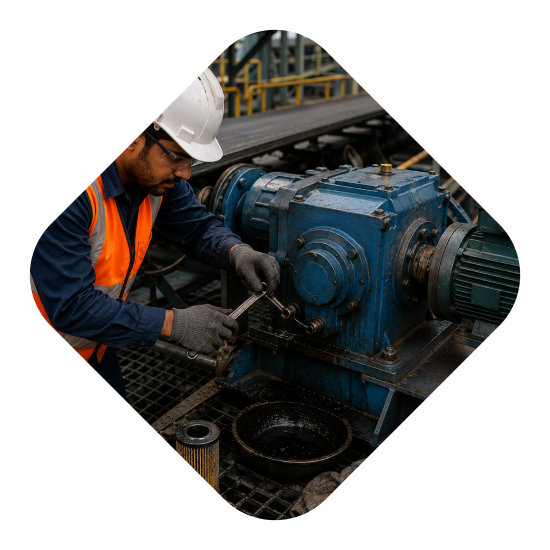
A conveyor gearbox is a mechanical device that reduces motor speed and increases torque to ensure smooth and controlled conveyor operation.
- Oil Level, Condition (color, dirt, metal particles) Monitoring & Replacement
- Inspect for leaks at seals and joints
- Gear Wear & Failure Prevention
- Maintain proper alignment between motor, gearbox, and conveyor
Conveyor Belt Maintenance
The conveyor belt is the heart of the system proper belt care prevents costly downtime and extends service life.
Swipe or use arrows to browse belt services
Belt Misalignment
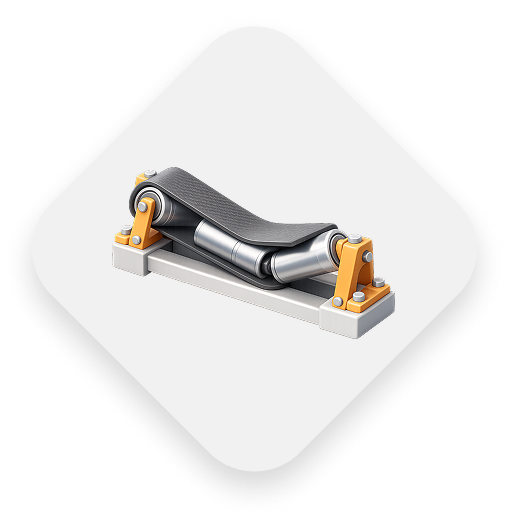
Our technicians identify and correct tracking problems caused by skewed idlers, uneven loading, or structural misalignment. Regular inspections help prevent belt edge damage, tearing, excessive wear, and operational disruptions. We also monitor vibration, belt condition, and running stability to ensure smooth conveyor performance.
Wear & Abrasion
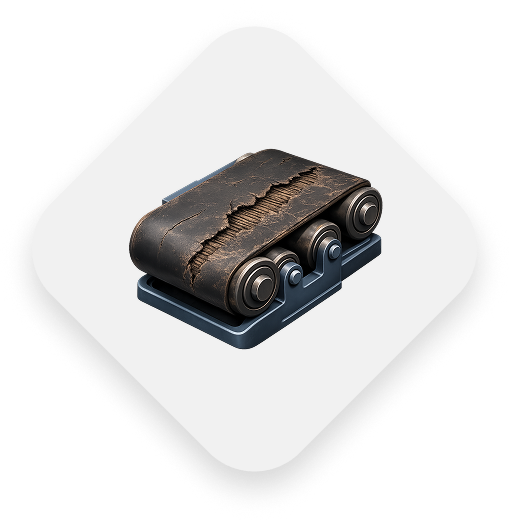
Continuous handling of abrasive materials such as coal, ore, and limestone can significantly reduce belt life. We use abrasion-resistant belts, impact protection systems, and effective cleaning solutions to minimize wear. Routine inspections help detect surface deterioration early and extend conveyor belt service life.
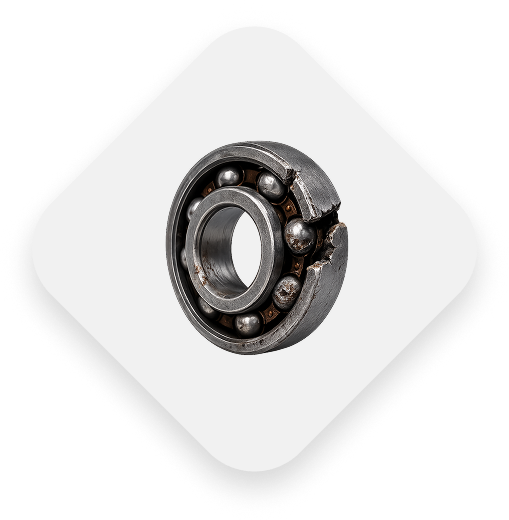
Roller/Idler Failure
Roller and idler failures are commonly caused by dust contamination, poor lubrication, or bearing wear. Our maintenance team performs detailed inspections, lubrication, and replacement of damaged components to ensure smooth rotation, reduce friction, and prevent unexpected conveyor downtime.
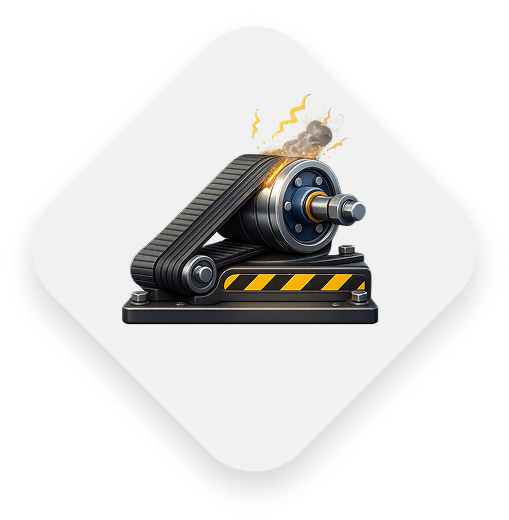
Belt Slippage
Belt slippage can reduce efficiency, increase energy consumption, and damage conveyor components. We inspect belt tension, pulley lagging, and belt joints to identify the root cause. Corrective actions restore proper traction, improve drive performance, and prevent overheating or excessive belt wear.
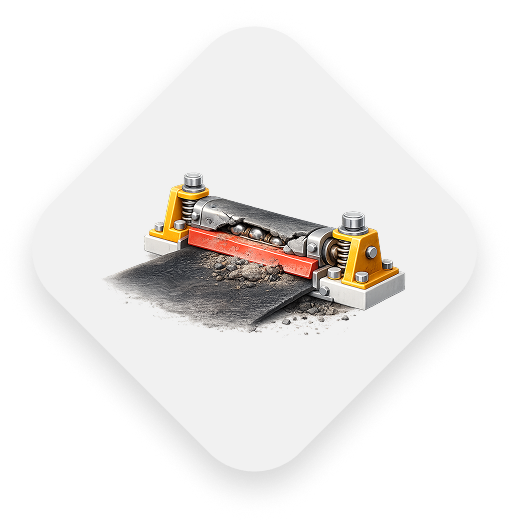
Material Carryback
Material carryback leads to buildup on rollers, structures, and walkways, creating safety and maintenance challenges. Our team optimizes belt cleaners and scraper systems, removes accumulated debris, and establishes regular cleaning schedules to maintain efficient material handling and a cleaner operating environment.
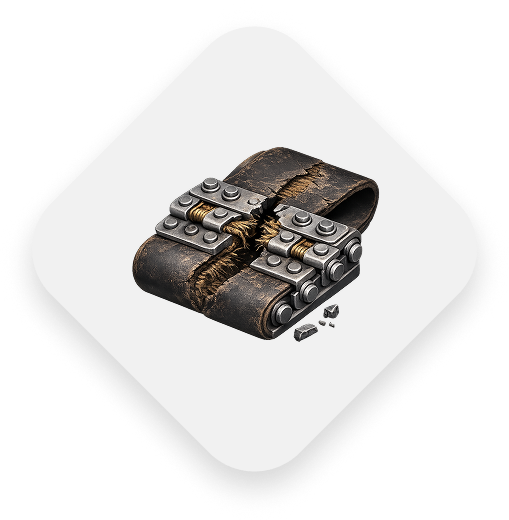
Belt Joint Failure
Belt joint failure can result in sudden conveyor stoppages and costly production losses. Our splicing specialists use approved joining techniques suited to each belt type and operating condition. Regular inspections and load monitoring help maintain joint integrity and improve overall conveyor reliability.
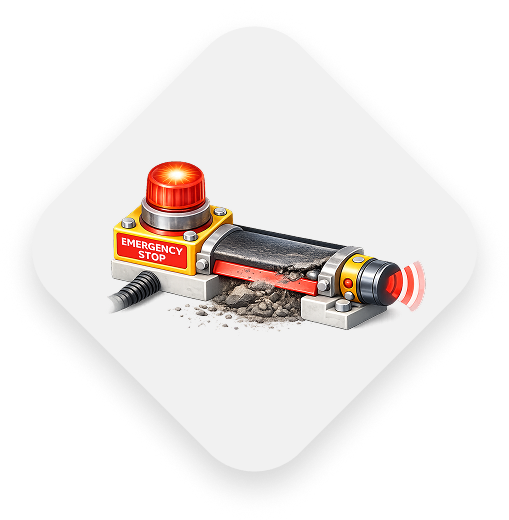
Safety Devices & Performance
Our team regularly checks belt scrapers, cleaning systems, motors, gearboxes, pull cords, and belt sway switches to ensure reliable operation. We monitor equipment performance, identify irregularities early, and replace worn or damaged components to maintain safety, efficiency, and uninterrupted conveyor operation.
Conveyor Repair & Emergency Support
- Identifying the type and exact location of the damage.
- Stopping the conveyor system and following proper safety procedures (LOTO).
- Cleaning and preparing the damaged section before repair.
- Selecting and applying the appropriate repair method, such as lacing, cold splicing, or hot splicing.
- After repair, ensuring correct belt alignment and proper tension for smooth operation.
Swipe or use arrows to browse repair services
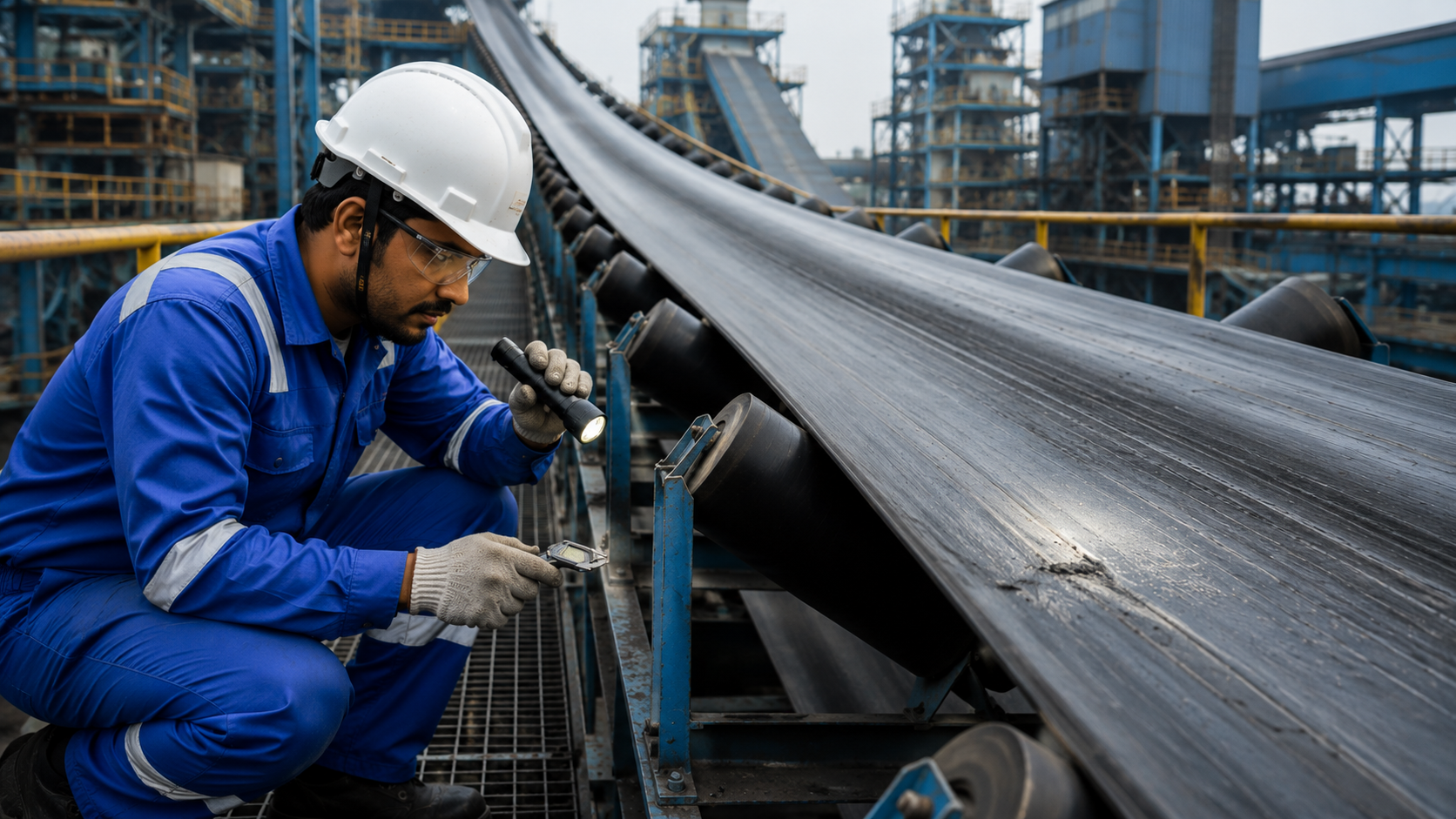
Conveyor Belt Lacing
Includes Bolt Hinged/Solid Plate, Rivet Hinged, Alligator Staple, Clipper Wire Hook, and Plastic/Spiral Lace fasteners for joining conveyor belts based on duty and application requirements.
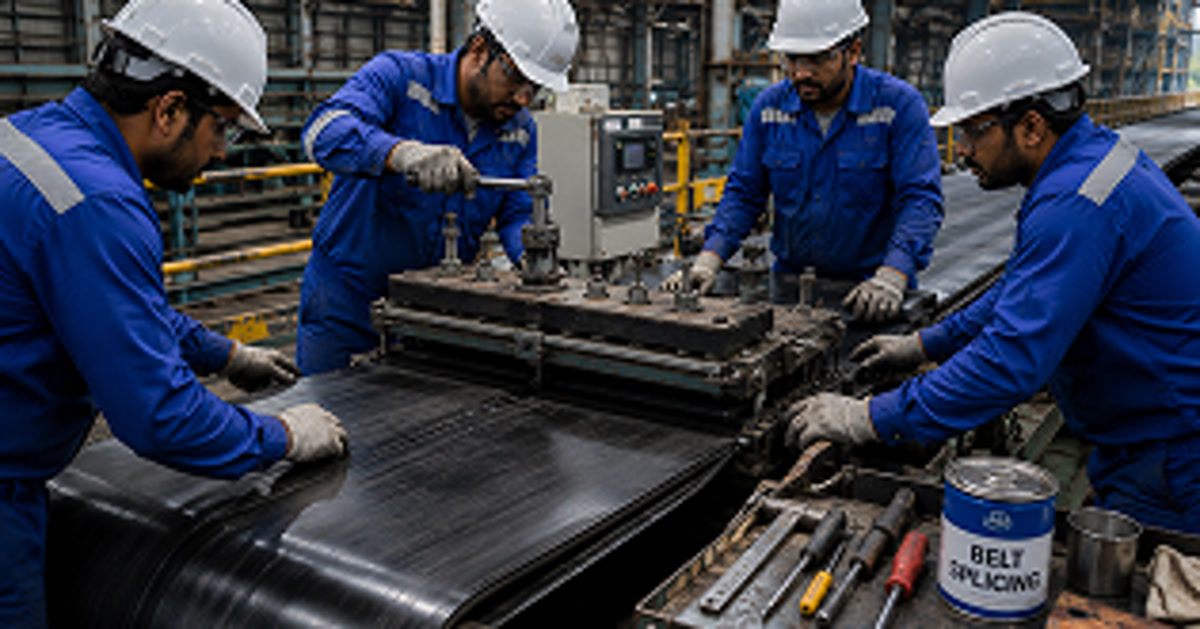
Belt Splicing
Cold Splicing and Hot Vulcanizing methods for creating strong and reliable conveyor belt joints.
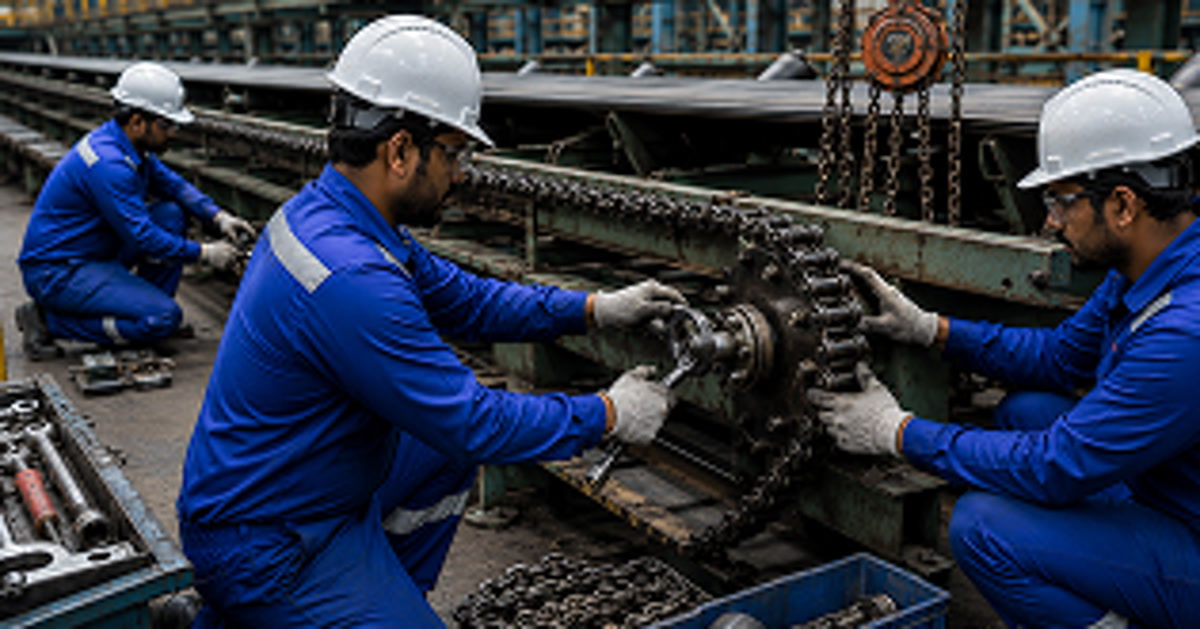
Chain Repairs & Replacement
Replacing damaged links, repairing connecting pins and attachments, and tightening loose components to maintain chain performance.
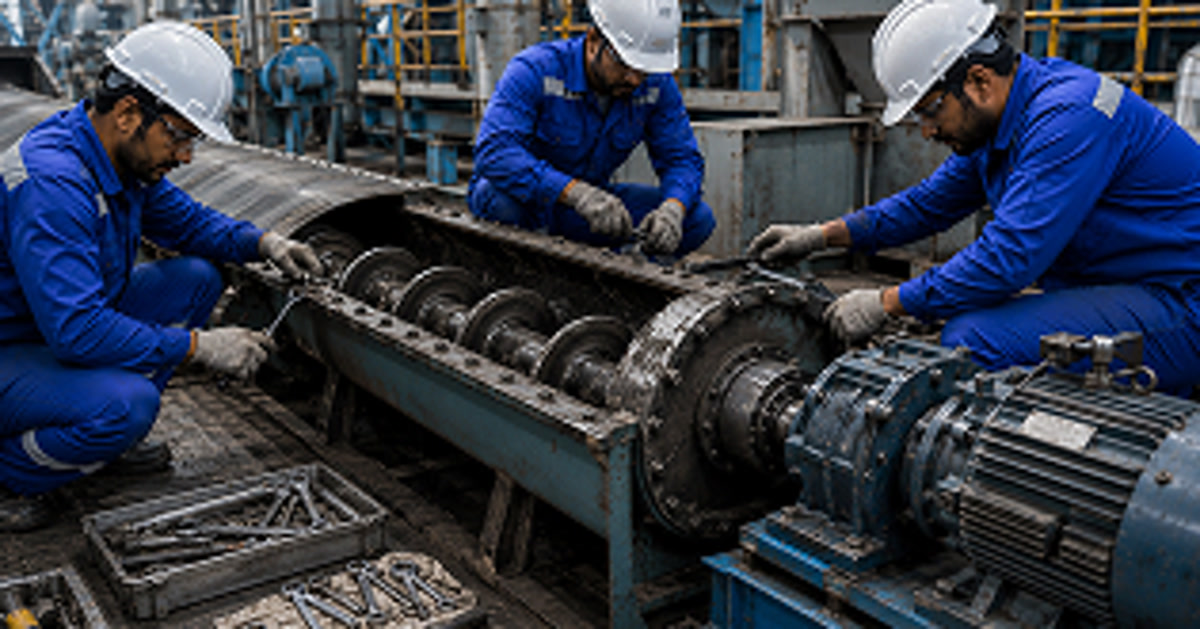
Screw Conveyor Repairs
Flight wear repair, bearing replacement, seal repair, and motor or gearbox maintenance to restore conveyor operation.
Shaft & Flight Replacement
Replacing bent or damaged shafts and worn or cracked flights to maintain conveying efficiency and reliability.
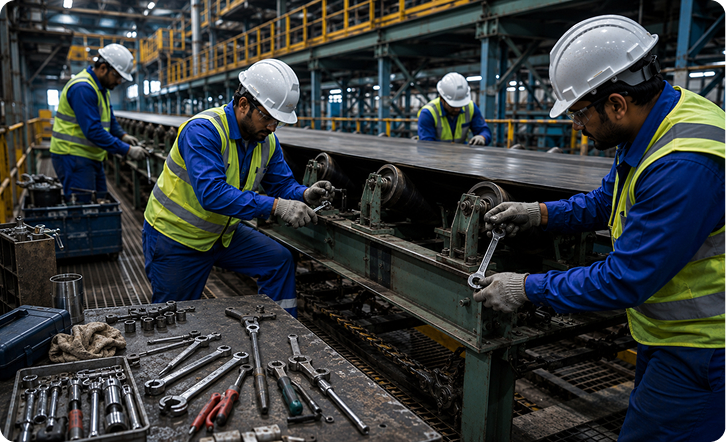
Tools & Equipment We Use
Our mobile teams arrive fully equipped with all necessary tools and safety gear, ready to start work immediately
- Belt cutters and skivers
- Vulcanizing machine (for hot splicing)
- Lacing tools (for mechanical joints)
- Pulling clamps and winches
- Belt cleaners and scrapers
- Conveyor Belt Lifter
- Helmet, gloves, and safety shoes
- Safety goggles and face shield
- Lockout/Tagout (LOTO)
- Harness for working at heights
- Emergency communication tools