
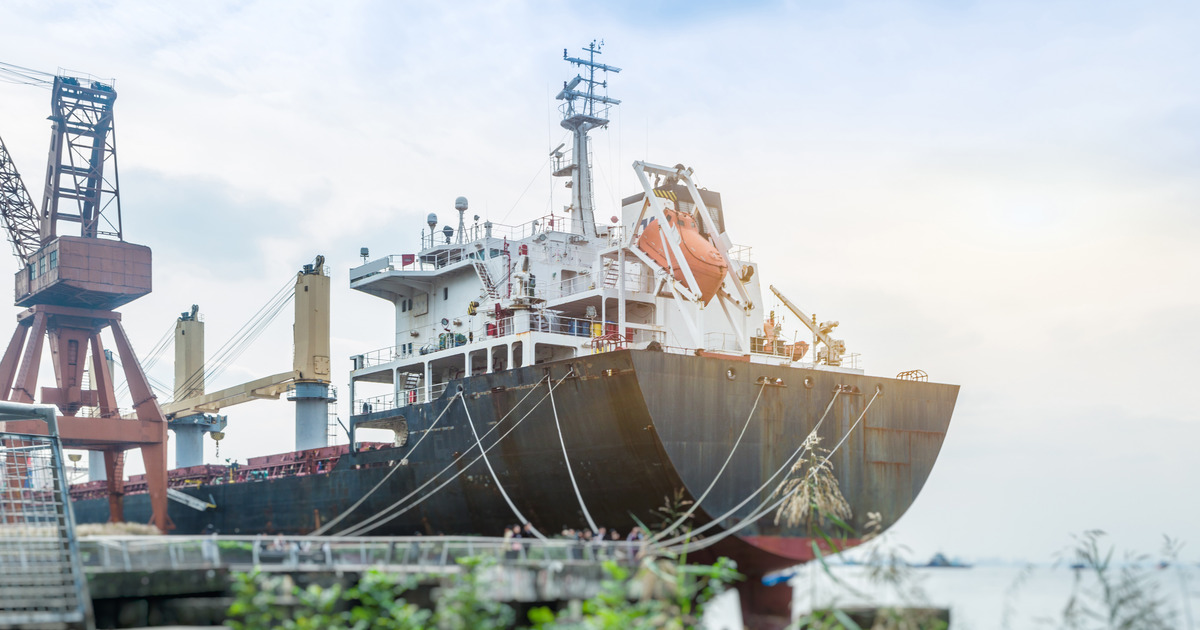
Port Performance Indicators (PPIs) help measure how efficiently a port uses its resources, infrastructure, equipment and services.
They provide valuable information about areas such as vessel turnaround time, berth utilization, cargo handling, waiting time and equipment productivity.
By monitoring these indicators, port operators can identify delays, improve resource utilization, reduce operational costs and make better decisions.
Regular performance measurement also helps ports improve service quality and overall competitiveness.
Vessel Turnaround Time
Vessel Turnaround Time measures the total time a vessel spends in a port, from its arrival until its departure. It includes the time required for berthing, cargo loading or unloading and other port operations.
A lower turnaround time generally indicates efficient port operations. Monitoring this indicator helps ports identify delays, reduce vessel waiting, improve berth utilization and increase overall operational efficiency.
Berth Occupancy Rate
Berth Occupancy Rate measures the percentage of available berth time that is occupied by vessels. It indicates how effectively the port is using its available berthing capacity.
A very low occupancy rate may indicate underutilization, while a very high rate can increase congestion and vessel waiting time. Monitoring berth occupancy helps ports balance berth utilization, vessel flow and operational efficiency.
Example
If a berth is available for 24 hours and vessels occupy it for 18 hours, the Berth Occupancy Rate is
Berth Occupancy Rate = (Occupied Berth Time ÷ Available Berth Time) × 100
= (18 ÷ 24) × 100 = 75%
This means the berth was occupied for 75% of the available time.
Ship Waiting Time
Ship Waiting Time measures the time a vessel spends waiting before it can berth or begin its planned port operation. It is an important indicator of berth availability, port congestion and operational efficiency.
A high waiting time can increase vessel turnaround time and operating costs. Monitoring this indicator helps ports identify bottlenecks and improve berth planning and vessel scheduling.
Example
If a vessel arrives at 6:00 AM and receives a berth at 10:00 AM, its Ship Waiting Time is 4 hours.
Ship Waiting Time = Berthing Time − Arrival Time
Cargo Handling Rate
Cargo Handling Rate measures the amount of cargo loaded or unloaded within a specific period. It is commonly expressed in tonnes per hour and indicates the speed and efficiency of cargo-handling operations.
A higher handling rate can help reduce vessel turnaround time and improve berth utilization, provided that safety and operational standards are maintained.
Example
If a port handles 8,000 tonnes of cargo in 20 hours
Cargo Handling Rate = Cargo Handled ÷ Handling Time
= 8,000 ÷ 20 = 400 tonnes/hour
This means the port handled an average of 400 tonnes of cargo per hour.
Crane Productivity
Crane Productivity measures the amount of cargo handled by a crane during a specific period. In container terminals, it is commonly expressed as containers or moves per hour.
Higher crane productivity can help speed up cargo operations, reduce vessel turnaround time, and improve terminal efficiency. It is influenced by equipment availability, operator performance, planning and operating conditions.
Container Dwell Time
Container Dwell Time measures how long a container remains inside a port or terminal before it is moved out for its next destination. It is an important indicator of cargo flow and yard efficiency.
A high dwell time can occupy valuable yard space, increase congestion and require additional container movements. Reducing dwell time can help improve cargo flow and overall terminal efficiency.
Truck Turnaround Time
Truck Turnaround Time measures the total time a truck spends inside a port, from entry at the gate to exit after completing its required operation. It reflects the efficiency of gate processes, cargo handling and coordination with road transport.
A high turnaround time can cause truck queues, congestion, and higher operating costs. Monitoring this indicator helps ports identify delays and improve the movement of cargo through the terminal.
Yard Utilization Rate
Yard Utilization Rate measures the percentage of available yard storage capacity being used for storing containers or cargo. It helps ports monitor storage capacity and manage yard space effectively.
Very high utilization can lead to congestion, additional container movements and delays, while very low utilization may indicate underused capacity. Effective yard planning helps maintain smooth cargo flow and efficient use of available space.
Port Equipment Availability
Port Equipment Availability measures the percentage of planned operating time during which equipment is available and ready for use. It is an important indicator of equipment reliability and operational readiness.
High equipment availability supports smooth cargo operations, while frequent breakdowns can cause delays and increase operating costs. Monitoring this indicator helps ports improve maintenance planning and equipment reliability.
Equipment Utilization Rate
Equipment Utilization Rate measures how much of the available operating time a piece of equipment is actually used. It helps ports identify idle time and evaluate how effectively their equipment is being utilized.
Low utilization may indicate poor planning, waiting time or low operational demand, while excessive utilization may increase equipment wear and maintenance requirements.
Monitoring this indicator helps ports improve equipment planning and operational efficiency.
Example
If a crane is available for 10 hours and operates for 7 hours:
Equipment Utilization Rate = (Actual Operating Time ÷ Available Time) × 100
= (7 ÷ 10) × 100 = 70%
This means the crane was utilized for 70% of its available operating time.
Cargo Throughput
Cargo Throughput represents the total volume of cargo handled by a port during a specific period. It is commonly measured in tonnes for bulk and general cargo and TEUs for containerized cargo.
Cargo throughput helps measure the scale of port operations and understand cargo demand and handling performance. However, throughput should be evaluated together with productivity, capacity utilization and service indicators.
Labour Productivity
Labour Productivity measures the amount of work or cargo handled by the workforce during a specific period. It helps evaluate how effectively labour resources are being used in port operations.
Higher productivity can improve operational efficiency and help reduce costs, while low productivity may indicate excessive idle time, inadequate planning or inefficient work processes.
Port Operating Cost per Tonne of Cargo
A port spends money on many day-to-day activities required to handle cargo, such as
-
Labour
-
Crane and equipment operation
-
Fuel and electricity
-
Equipment maintenance
-
Yard operations
-
Administration and other operating expenses
Port Operating Cost per Tonne measures the average operating cost required to handle one tonne of cargo. It helps assess the cost efficiency of port operations.
A lower cost per tonne, while maintaining safety and service quality, generally indicates more efficient use of operational resources.
Energy Consumption per Tonne of Cargo
Energy Consumption per Tonne of Cargo measures how much energy a port uses to handle one tonne of cargo.
Ports consume energy through cranes, conveyors, pumps, vehicles, lighting, refrigerated containers and other operational equipment.
This indicator helps ports evaluate energy efficiency, control operating costs and identify opportunities to reduce energy consumption.
A lower value can indicate better energy efficiency, but comparisons should consider cargo type, equipment and operating conditions. Improving energy efficiency can also help reduce operating costs and environmental impact.
Safety Performance Indicators
Safety Performance Indicators measure the safety performance of port operations. They help monitor accidents, injuries, near misses, fatalities and other safety-related events involving workers, vessels, vehicles and equipment.
These indicators help ports identify hazards, monitor safety trends and take corrective actions to prevent accidents.
Common indicators include Lost-Time Injury Frequency Rate (LTIFR), Total Recordable Injury Rate (TRIR), accident frequency, near-miss reports and days lost due to injuries.
Monitoring safety performance helps ports reduce risks, prevent accidents, and maintain safer and more reliable operations.
How to Measure Port Efficiency
Collecting and Analysing Port Operational Data
The first step in measuring port efficiency is to collect accurate operational data. Important data may include vessel turnaround time, berth occupancy, cargo throughput, crane productivity, truck turnaround time, equipment availability, labour productivity and operating costs.
The collected data is then analysed to identify trends, delays, resource utilization and areas where performance can be improved. Reliable and consistent data provides a strong basis for making operational decisions.
Example: If vessel turnaround time is continuously increasing, the port can analyse berth availability, cargo handling time, equipment performance and waiting time to identify the reason.
Comparing Actual Performance with Targets
Port efficiency can be measured by comparing actual performance with predefined targets or standards. This helps determine whether the port is achieving its operational objectives.
For example, if the target vessel turnaround time is 24 hours but the actual average is 30 hours, there is a 6-hour performance gap. The port can then investigate the reasons for this difference and take corrective actions.
Benchmarking Port Performance
Benchmarking means comparing a port's performance with other similar ports, industry standards, or established best practices. It helps identify where a port performs well and where improvement is required.
For example, a port may compare its crane productivity, vessel turnaround time, cargo handling rate or operating cost per tonne with similar ports.
Benchmarking provides a useful reference for setting realistic improvement targets and adopting better operational practices.
Identifying Operational Bottlenecks
After analysing performance data and comparing it with targets and benchmarks, the next step is to identify operational bottlenecks. A bottleneck is a process, resource or activity that limits the overall performance of the port.
Common bottlenecks may include berth congestion, equipment breakdowns, low crane productivity, yard congestion, truck queues, labour shortages or delays in documentation and cargo clearance.
Identifying and addressing these bottlenecks can reduce delays, improve resource utilization and increase overall port efficiency.
Common Causes of Poor Port Performance
Equipment Downtime and Maintenance Delays
Equipment breakdowns and delayed maintenance can interrupt port operations, When cranes, conveyors or other cargo-handling equipment are unavailable, cargo handling slows down, vessel turnaround time increases and operating costs may rise.
Regular preventive maintenance and timely repairs help improve equipment reliability and operational efficiency.
Berth Congestion
Berth congestion occurs when vessels have to wait because berths are occupied or unavailable.
It can result from poor berth planning, high vessel traffic or delays in cargo operations.
It directly inflates vessel turnaround times and lowers overall port throughput efficiency.
Inefficient Cargo Handling
Inefficient cargo handling can result from slow equipment, poor operational planning, unsuitable handling methods or frequent interruptions.
These issues reduce cargo handling rates and increase the time required to complete vessel operations.
Upgrading equipment productivity and optimizing the sequence of cargo-handling processes are the primary industry methods used to reduce port delays.
Poor Yard and Storage Management
Poor yard management can lead to congestion, inefficient container placement and unnecessary cargo movements.
When storage space is not properly planned, retrieving and moving containers becomes more difficult.
Effective yard planning and proper use of storage capacity help maintain smooth cargo flow.
Labour and Resource Constraints
Insufficient skilled workers, inadequate training, poor shift planning and a lack of operational resources can affect port productivity.
These constraints may delay cargo handling and reduce equipment utilization.
Proper workforce planning, training, and resource allocation help improve operational performance.
Vessel and Supply Chain Transport Delays
Delays in vessel arrivals, truck entry, cargo collection and documentation can disrupt port operations.
Long truck queues and delayed cargo movement may increase congestion at port gates and storage yards.
Proper scheduling, efficient gate management and coordination with transport operators can help reduce these delays.
Inefficient Coordination Between Port Operations
Port activities depend on coordination between vessel scheduling, berth allocation, cargo handling, yard management, equipment operators and road or rail transport.
Poor communication or a lack of synchronization between these activities can create unnecessary waiting time and operational delays. Better planning, information sharing and coordination help improve overall port efficiency.
Key Factors That Influence Port Performance
Port performance depends on several interconnected factors, including infrastructure, equipment reliability, workforce capability, operational planning, technology and transport connectivity.
Infrastructure and capacity - Adequate berths, storage yards, access channels and transport connections help ports handle cargo efficiently.
Equipment reliability - Reliable cargo-handling equipment and effective maintenance reduce downtime and operational interruptions.
Operational planning - Efficient vessel scheduling, berth allocation, yard management and cargo-handling planning help minimize delays.
Workforce efficiency - Skilled workers, proper training and effective resource allocation support safe and productive operations.
Technology and automation - Port management systems, real-time tracking and automated processes can improve visibility, coordination and decision-making.
Transport connectivity - Efficient connections with road, rail and inland waterways support faster cargo movement between ports and their destinations.
Weather and external conditions - Adverse weather, sea conditions and disruptions in transport networks can affect vessel movements and cargo-handling activities.
Management and coordination - Effective communication, performance monitoring, and timely decision-making help ports identify problems and improve operational efficiency.
Overall, improving port performance requires a combination of reliable infrastructure, efficient operations, skilled personnel, effective coordination and continuous performance monitoring.
How to Improve Port Efficiency
Optimise Berth Planning and Vessel Scheduling
Effective berth planning and vessel scheduling help reduce vessel waiting time and berth congestion.
Ports should coordinate vessel arrival times, berth availability and cargo-handling requirements to ensure smooth operations.
Proper scheduling improves berth utilization and reduces vessel turnaround time.
Improve Cargo Handling Operations
Cargo-handling efficiency can be improved by using suitable equipment, optimising handling methods and reducing unnecessary delays during loading and unloading.
Proper coordination between workers, cranes and transport systems helps increase cargo handling rates and improve overall productivity.
Implement Preventive and Predictive Maintenance
Preventive maintenance involves performing inspections and servicing at planned intervals to reduce the risk of equipment failure.
Predictive maintenance for Ports uses equipment condition and performance data to identify potential faults before breakdowns occur. Both approaches help reduce unplanned downtime, improve reliability and support continuous port operations.
Increase Port Equipment Availability
High equipment availability is essential for maintaining smooth cargo-handling operations.
Ports can improve availability through regular inspections, timely repairs, spare-parts management and effective maintenance planning.
Reducing equipment downtime helps prevent operational delays and improve productivity.
Optimise Yard and Material Flow
Effective yard management helps ensure that cargo is stored in suitable locations and can be retrieved when required.
Proper storage planning, efficient container stacking and reduced unnecessary movements help prevent congestion.
This improves storage space utilization and supports faster cargo movement.
Improve Workforce Productivity
Workforce productivity can be improved through technical training, proper shift planning, clear responsibilities and effective coordination.
Providing workers with the necessary skills, equipment and information helps reduce operational delays and improve work quality while maintaining safety standards.
Use Real-Time Port Monitoring and Data Analytics
Real-time monitoring systems help track vessel movements, equipment status, cargo operations and yard utilization.
Data analytics can identify performance trends, recurring delays and operational bottlenecks.
This information supports faster decision-making and helps port operators take corrective action.
Reduce Vessel and Cargo Handling Delays
Ports can reduce delays by improving vessel scheduling, documentation processes, equipment readiness and cargo clearance procedures.
Coordinating vessel arrivals with berth availability and cargo-handling resources helps minimise waiting time and maintain a steady flow of operations.
Improve Coordination Across Port Operations
Efficient port operations require coordination between vessel management, berth allocation, cargo handling, yard operations, maintenance teams and transport services.
Better communication and information sharing help prevent scheduling conflicts, reduce idle time and ensure that different activities operate smoothly.
Optimise Energy Consumption
Energy efficiency can be improved by using energy-efficient equipment, optimising equipment operating schedules, reducing unnecessary idling and maintaining electrical systems properly.
Monitoring energy consumption per tonne of cargo helps identify opportunities to reduce energy costs and environmental impact.
Strengthen Port Safety and Compliance
Maintaining high safety standards helps prevent accidents, equipment damage and operational disruptions.
Regular safety inspections, worker training, risk assessments and compliance with applicable regulations support safer operations.
A strong safety culture also contributes to reliable and sustainable port performance.