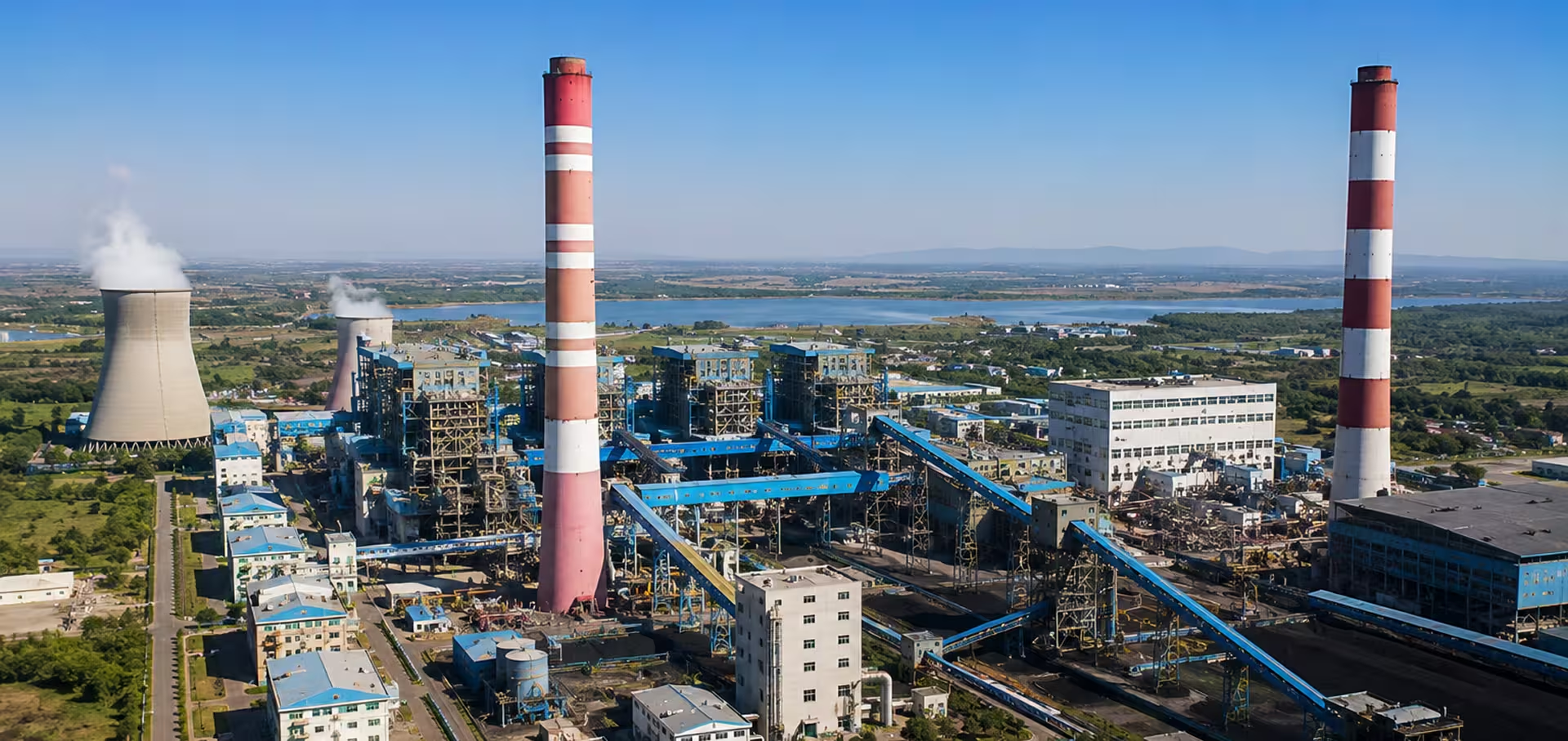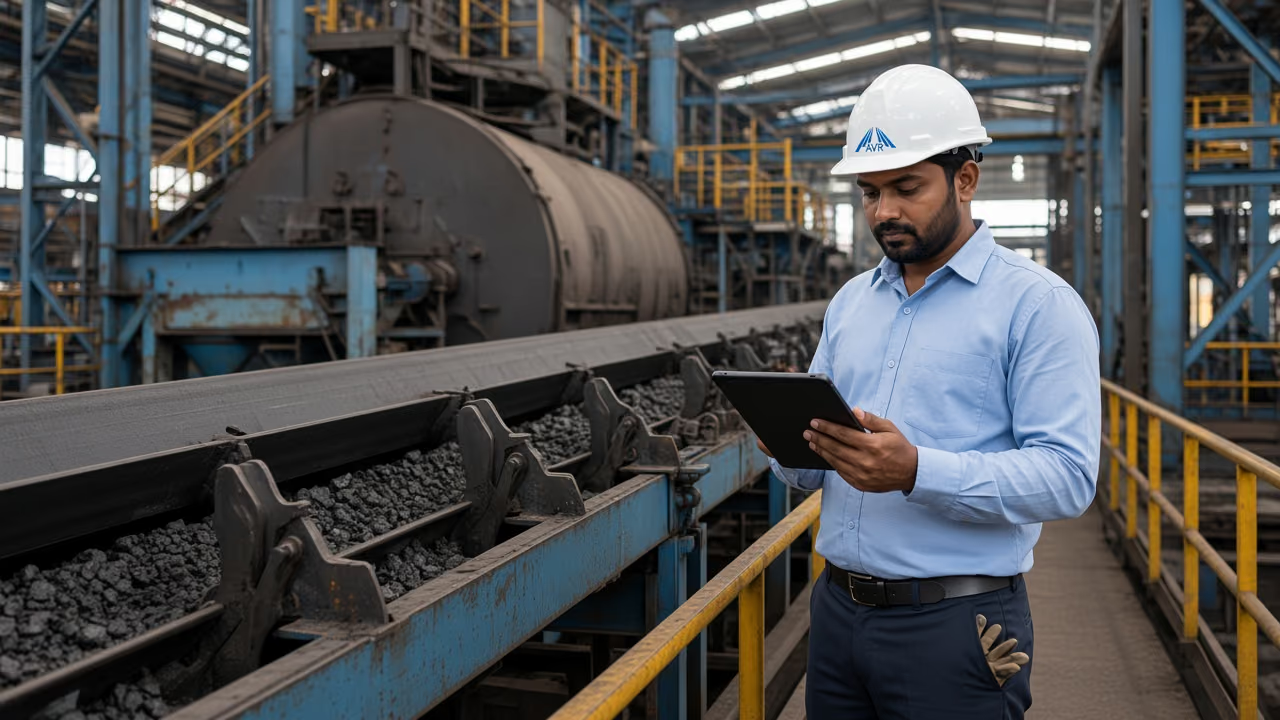
Scraper plates in the Drag Chain Feeder (DCF) kept breaking, stopping material feed and upsetting boiler load. The plates were not the problem. Worn drive sprockets were.
- Plant
- Medak Iron & Steel Plant
- Equipment
- Drag Chain Feeder (DCF)
- Problem
- Repeated scraper plate breakage
- Root Cause
- Worn DE & NDE shaft sprockets
- Outcome
- 98.5-99% feeder availability
Challenge
Frequent scraper plate breakage caused repeated breakdowns, interrupted material feeding and fluctuating boiler load, reducing the overall availability and reliability of the feeder system. The Drag Chain Feeder was experiencing:
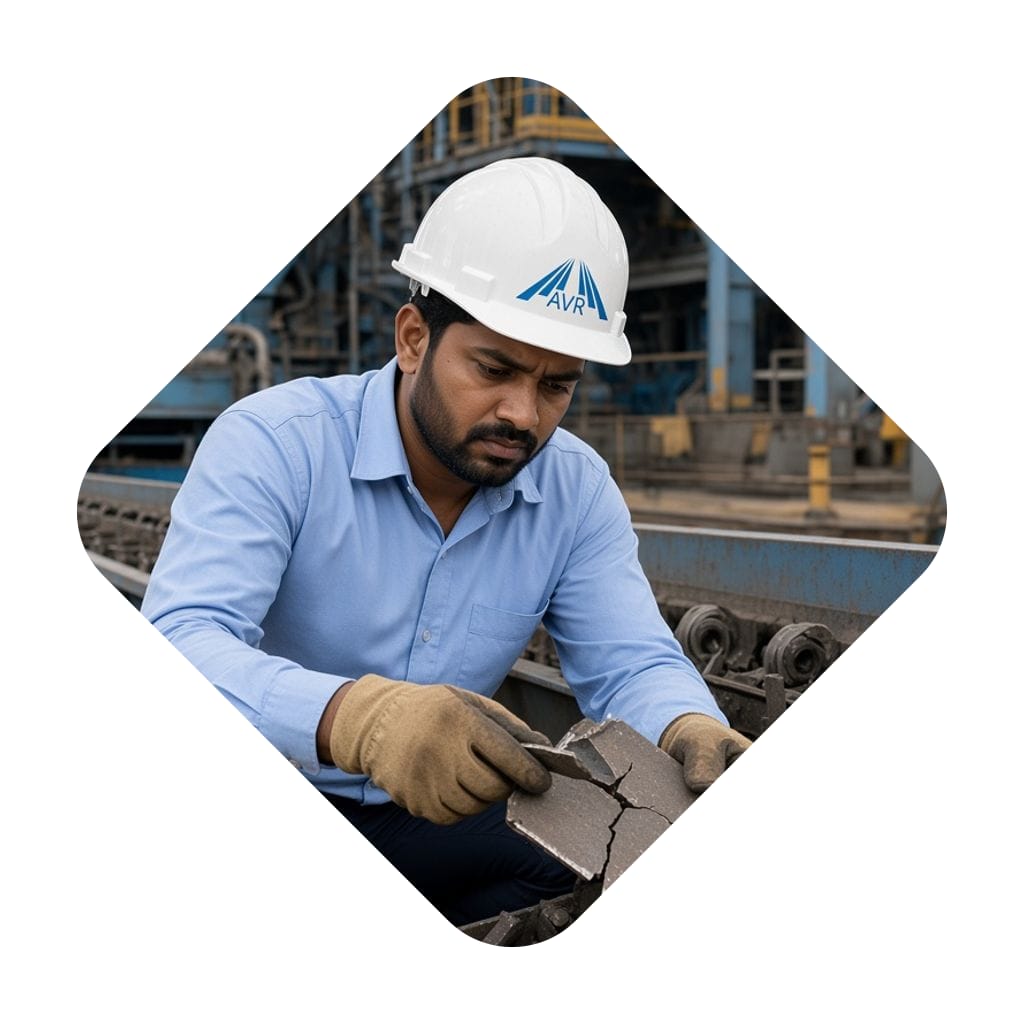
Frequent scraper plate breakage during operation.
Repeated DCF breakdowns.
Unplanned maintenance interventions.
Boiler load fluctuations due to interrupted material feeding.
Higher manpower and spare consumption.
Reduced availability of the material feeding system.
Key Results at a Glance
Validated outcomes after replacing the worn sprockets and bearings

94-100%
Fewer scraper plate failures

98.5-99%
DCF availability (was 80‑85%)

0 hrs
Unplanned maintenance per month

0
Boiler load fluctuation events
What We Found
A detailed inspection found the scraper plates structurally sound. The real damage was on the Drive End (DE) and Non-Drive End (NDE) shaft sprockets, which were severely worn and eroded.
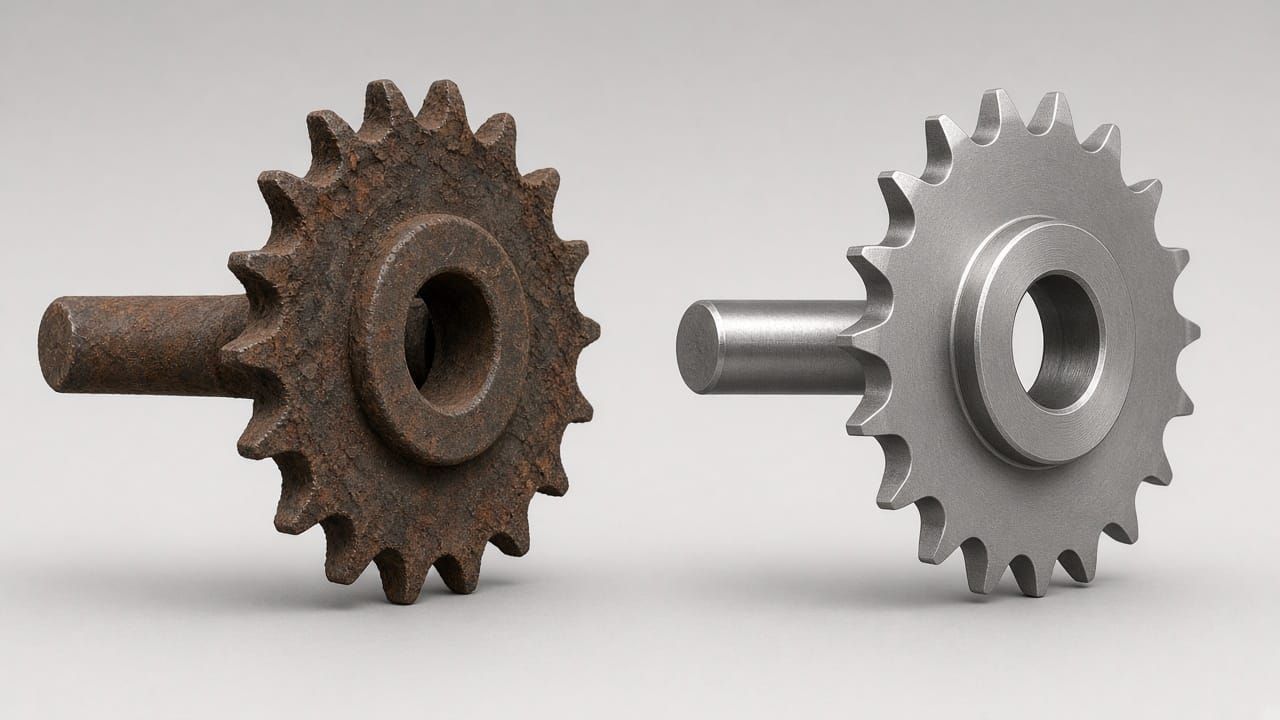
Worn sprocket
Eroded teeth stop the chain seating properly, so load is transferred unevenly onto the scraper plates.
New sprocket
A full tooth profile restores correct chain-to-sprocket engagement and spreads the load evenly.
Root Cause Analysis
One worn component set off a chain reaction that ended at the boiler:
01 Cause
Worn drive sprockets
DE and NDE shaft sprockets eroded, losing their tooth profile.
- Sprocket wear
02 What it did
Chain stopped seating properly
- Improper chain engagement
- Uneven loading
- Excessive stress on scraper plates
03 Impact
Feeder and boiler disrupted
- Scraper plate breakage
- DCF breakdown
- Boiler load fluctuation
Our Solution
A 4-Step Root-Cause Correction
Instead of replacing scraper plates again, the team fixed the drive end of the problem and proved the result under load.
Swipe or use arrows to explore all steps
Step
Remove
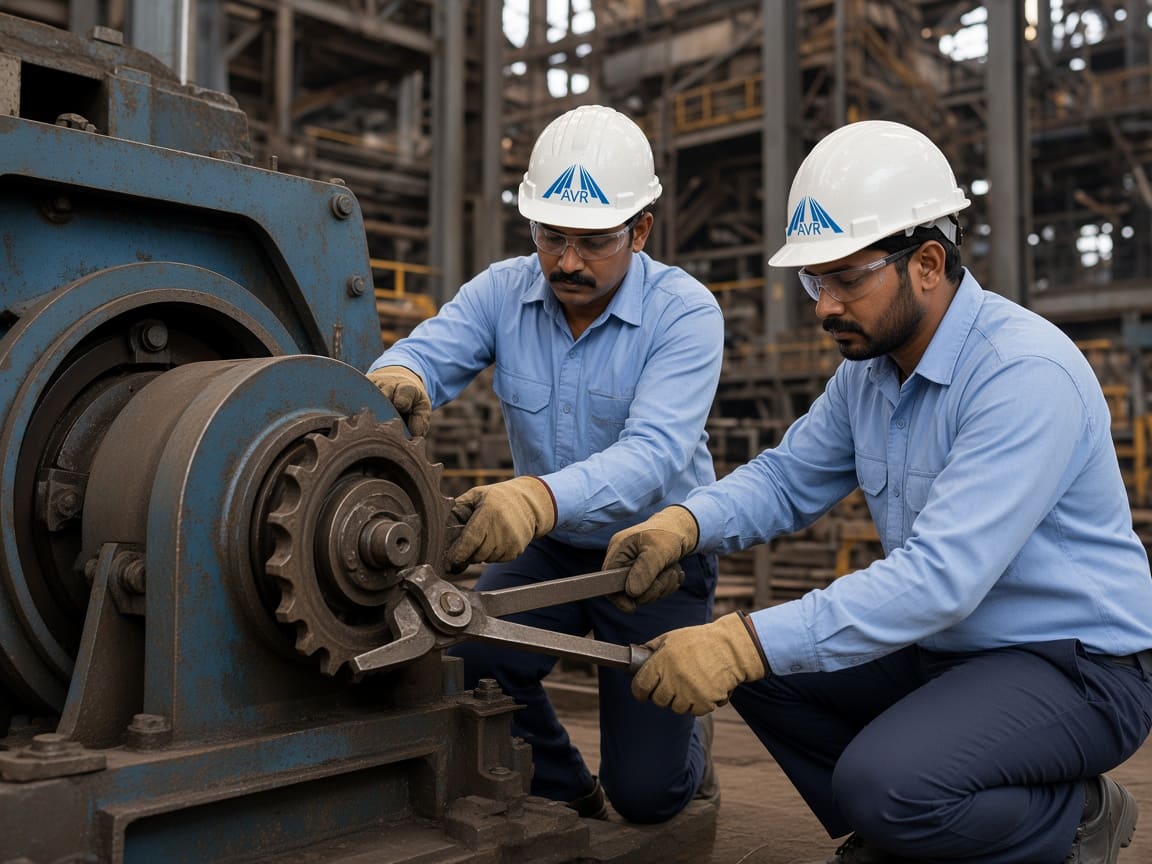
Remove Worn Sprockets
- Removed the worn DE-side shaft sprocket.
- Removed the worn NDE-side shaft sprocket.
Step
Replace
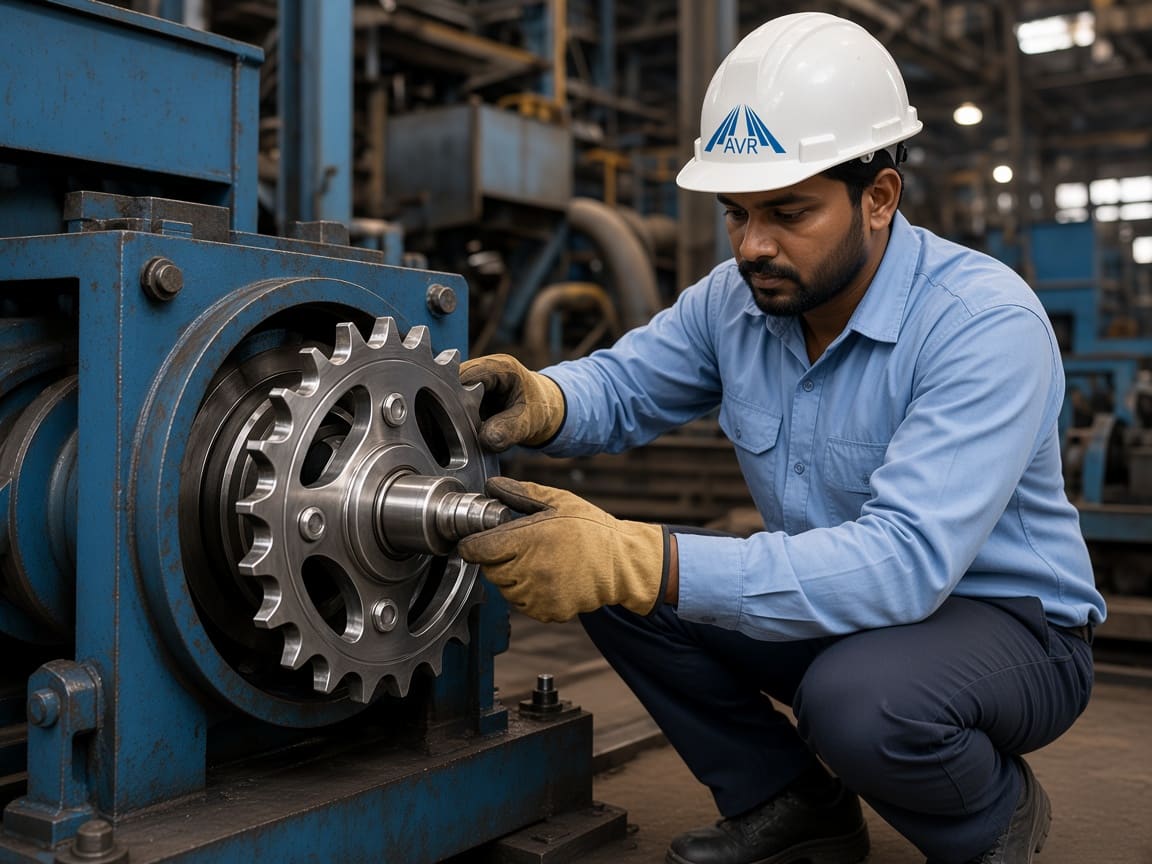
Fit New Sprockets & Bearings
- Replaced both shaft sprockets with new components.
- Replaced the associated bearings.
Step
Verify
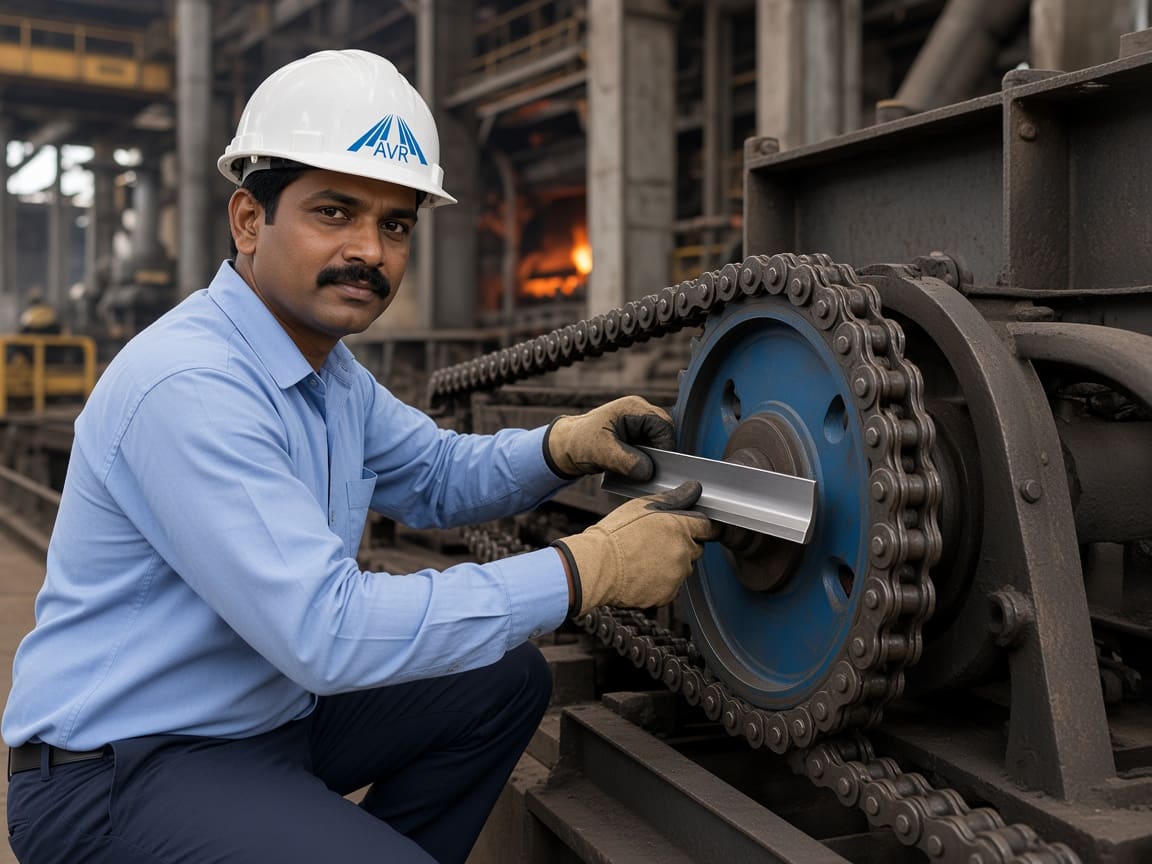
Check Alignment & Engagement
- Checked the shaft, chain and scraper assembly for alignment and condition.
- Verified sprocket-to-chain engagement.
Step
Monitor
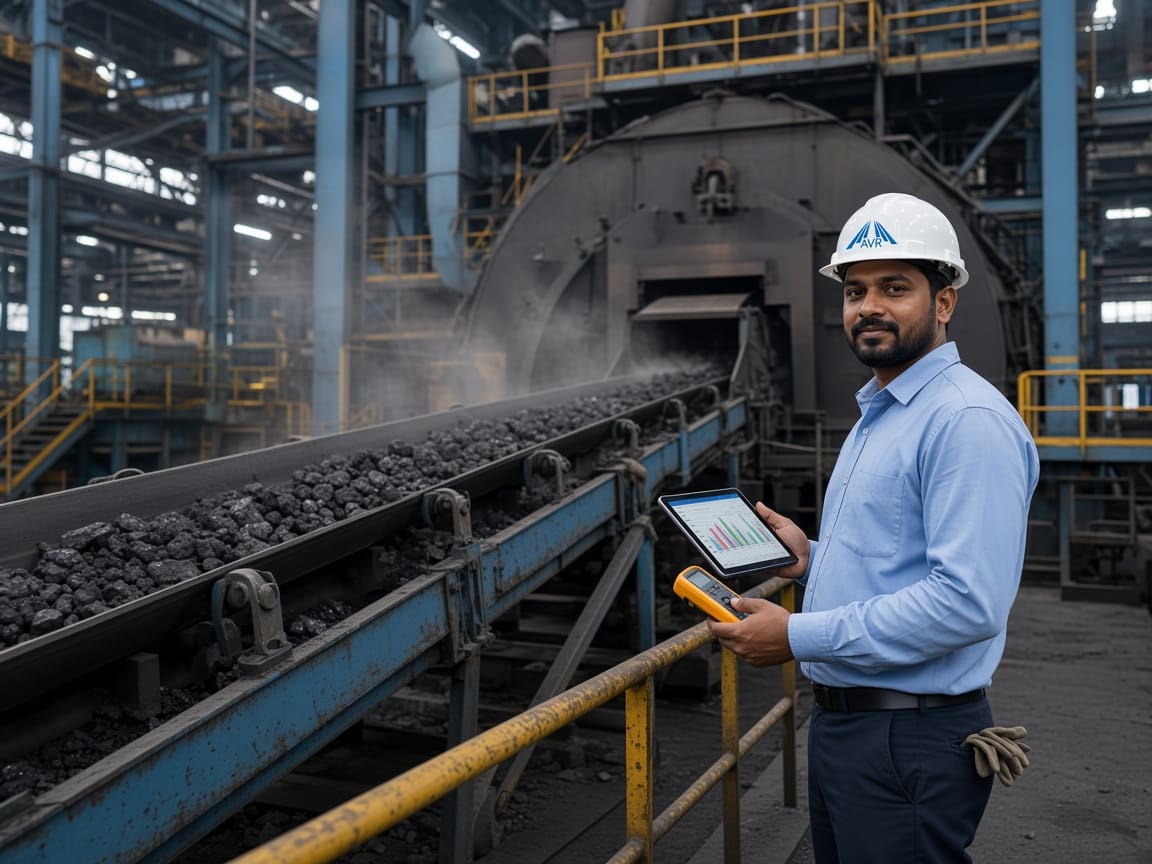
Trial Run & Monitoring
- Conducted a trial run after the maintenance activity.
- Monitored the feeder under running conditions.
Before vs After
The corrective action significantly improved the reliability of the Drag Chain Feeder.
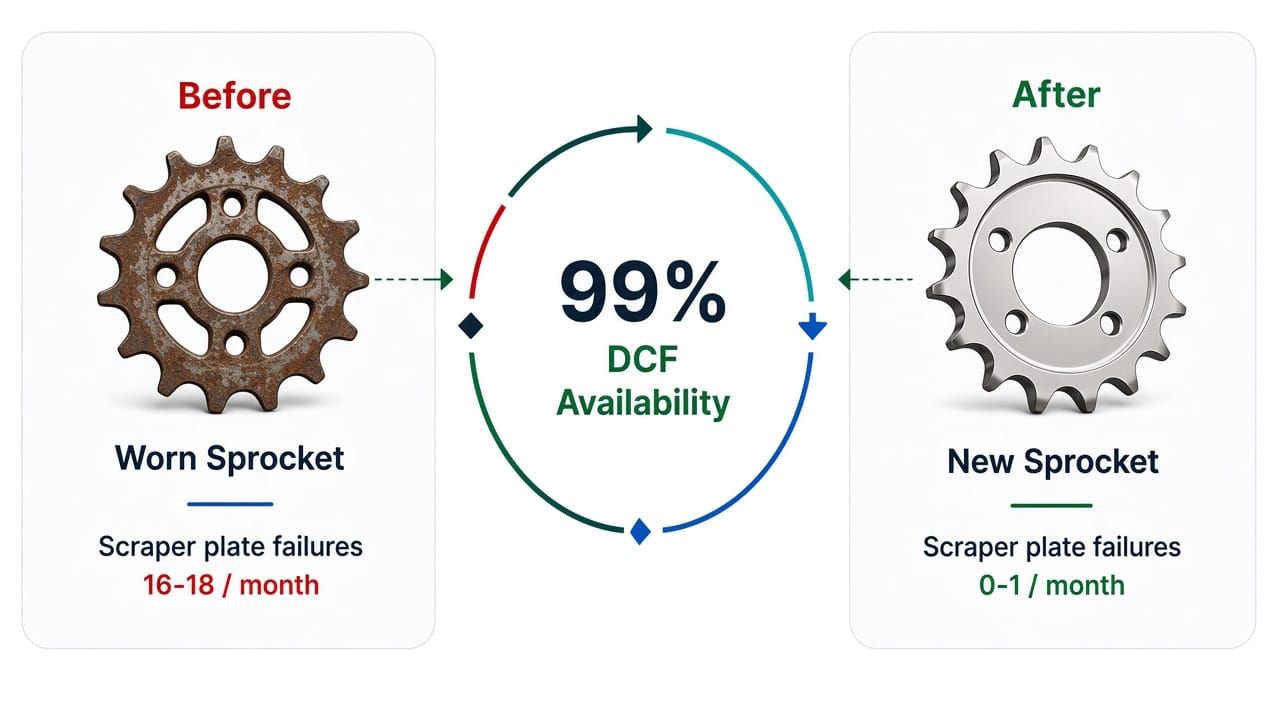
Monthly incidents, before and after
Full performance data
Scroll to view all columns
Why This Matters for Your Plant
Fix the cause, not the symptom. Inspecting the complete drive and chain system turned a recurring breakdown into stable operation.
Reactive maintenance
- Scraper plate breaks
- Replace the plate
- Worn sprocket keeps overloading the chain
- Plate breaks again
Failure keeps coming back
Root-cause maintenance
- Inspect the complete drive and chain system
- Find the worn DE & NDE sprockets
- Replace sprockets and bearings
- Stable, reliable feeder operation
Problem eliminated
What changed for the plant
Reduced scraper plate failures
Proper sprocket engagement removed the excess loading that caused recurring breakage.
Improved DCF availability
Fewer breakdowns meant fewer interruptions to material feeding.
Stable boiler load
Consistent feeding removed the boiler load fluctuations caused by feeder stoppages.
Less unplanned maintenance
Lower emergency work, spare consumption and manpower deployment.
Better equipment reliability
Correct mechanical engagement restored reliable feeder operation.
The failures were never caused by defective scraper plates. Fixing the worn sprockets restored proper chain engagement, stabilised the feeder and made the whole material feeding system more reliable.